Can AI Understand Sacred Texts? Exploring the Limits and Possibilities
AI & Theology
Aug 2, 2025
How LLMs handle religious texts (Torah, Quran, Bible, etc):
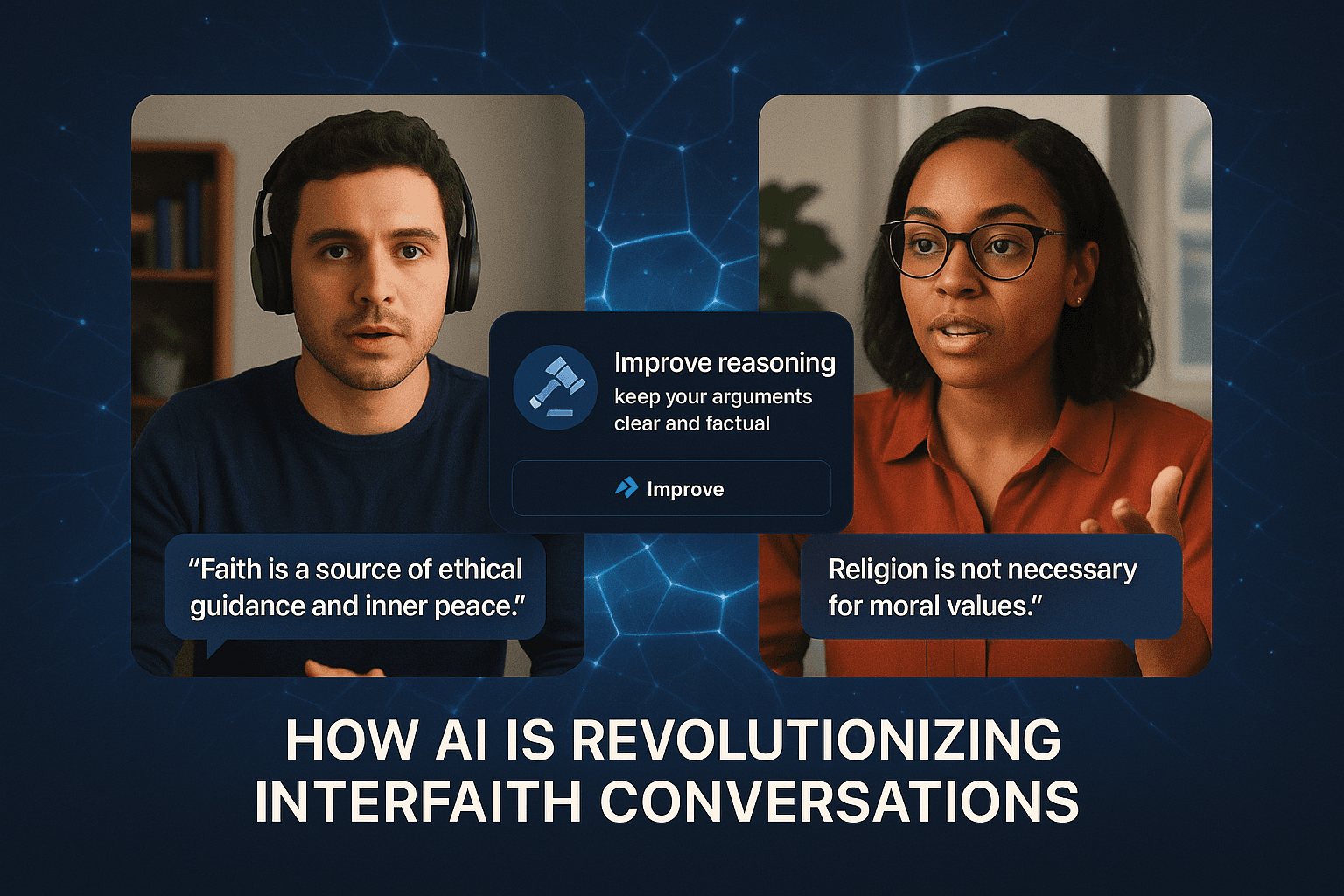
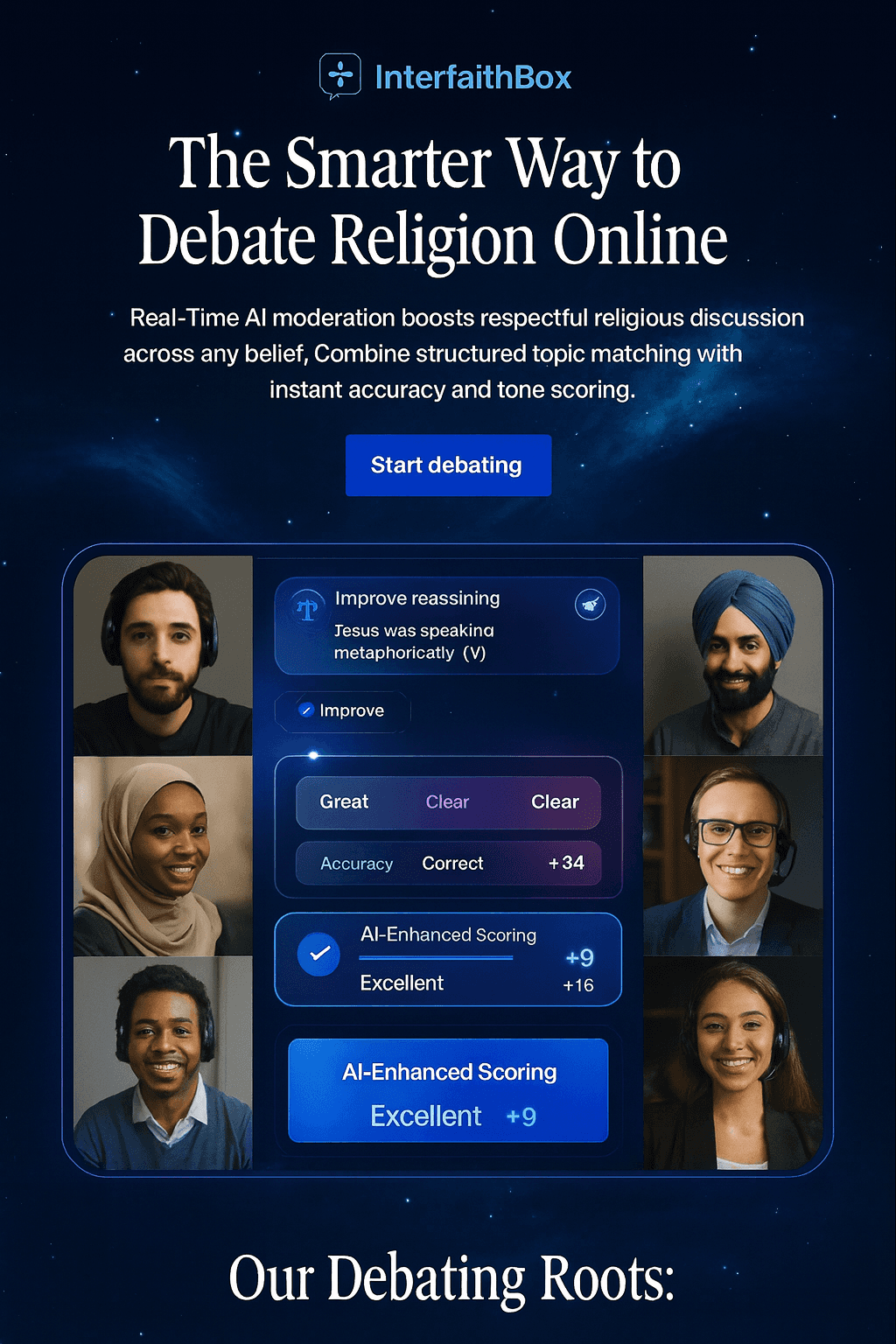
Large Language Models (LLMs) are not designed to interpret sacred scripture, doctrine, or theology as a human scholar would. However, when properly guided, they can recognize contextual patterns, historical references, and theological terminology to assist users in faith based conversations. InterfaithBox leverages LLMs to support interfaith dialogue - not replace it - with features that tag scriptural references, flag misquotes, and prompt respectful clarifications when interpretations clash.
challenges (and How InterfaithBox Solves Them):
Respecting Sacred Nuance — Religious texts require care. InterfaithBox's AI is tuned to theological context, ensuring that scripture isn't stripped of meaning.
Avoiding Misquotes — With real time correction, users are alerted when versus are out of context of inaccurate.
Cross Faith Sensitivity — Our platform distinguishes between traditions, so AI doesn't conflate beliefs.
Tone and Bias Awareness — Built in tone filters and bias mitigation tools ensure respectful, fair dialogue every time.
"InterfaithBox doesn't replace religious understanding - it protects it. The AI acts as safegaurd, not a substitute." – Comparative Theology Researcher
opportunities:
AI, when used responsibly, can become a tool of bridge building across faith. interfaith box enable users to compare scriptural ideas across traditions, correct misquoted versus in real time, and tag conversations with doctrinal context. For students, educators, and online debaters, this means faster clarification, fewer emotional escalations, and overall deeper understanding of belief systems. Rather than replacing spiritual interpretation, AI enhances our ability to engage with it thoughtfully and fairly.